

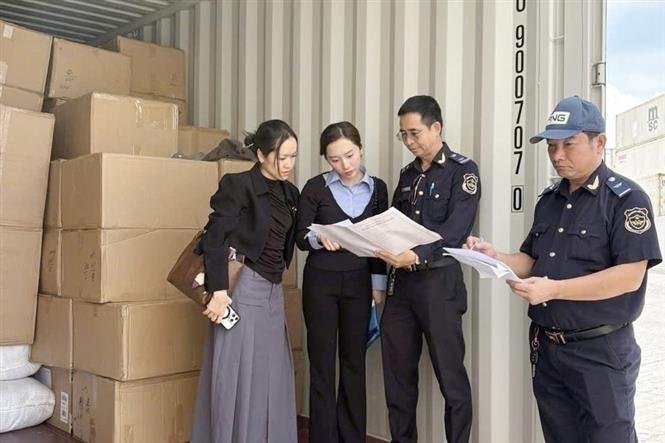
When there are disputes over the custom classification of and valuation of imported goods, this can have several consequences for an import transaction, such as an increase in the cost of importing the goods and exposure to legal action. A classificatory dispute is a situation whereby an importer and the Customs Authority differ in the matter of the correct tariff heading of an import item. On most occasions a valuation dispute occurs when Customs Authorities have reason to doubt the declared import value for duty calculation and then proceed to investigate if there was a breach of legal duties on declaration.
An importer can lose more than just tariffs in the process, such as a fine, interest, loss of goods by Customs, or even the seizure of a company by Customs. An expert in customs law can assist in reviewing an importer’s file documents and legal aspects and provide support during the customs officials’ inquiries and finally represent the importer’s interests in courts of law if the case is taken to a formal decision-making process such as adjudication or appeal.
As per the Customs Act, 1962, Section 12, customs duties for the import and export of goods to and from India are levied subject to the provisions of the Customs Tariff Act and other relevant laws. The customs valuation of import and export goods with respect to the duty assessment is covered under Section 14.
The following FAQs will offer a quick snapshot of aspects relevant to customs classification and valuation disputes.
Quick FAQs: Customs Classification and Valuation Disputes
What is a customs classification dispute?
This dispute typically arises when there is a disagreement between the importer and custom officials with regard to the suitable customs classification code under which the imported goods should be declared.
What is a customs valuation dispute?
In this kind of a dispute, Customs will have serious objections to the declared import value of the commodity. The value will then be examined by customs, and they will determine whether the valuation is a statutory requirement or the goods can be classified for a specific duty.
Why does customs classification matter?
Classification basically sets the customs tariff, and this may influence the level of customs duties, exemptions, or restrictions, among other requirements related to customs clearance.
Can an importer challenge the customs valuation?
An importer may challenge a customs valuation under the adjudication and appeal procedures of customs, and, depending on the nature of the dispute and where it is at the stage, there could be different channels for resolving it. For instance, it can go to the Customs Court or Appellate Tribunal.
When should I hire a customs lawyer?
As a general rule, get legal help right then when Customs has a major dispute with the classification or valuation, especially if you have received a notice, a proposal for reassessment, asked for extra duty, or been accused of making false declarations by Customs.
What Is a Customs Classification Dispute?
A customs authority has the right to classify the imported goods into a specific category of duties or excise based on a set of rules that will decide the rate of duties and excise on the product. This is called a customs classification of the goods.
The customs officials usually determine the classification of a product solely by referring to the product’s commercial name. But in some cases, such an approach might not be adequate. For instance, two different products might have exactly similar names but have very different classifications in the tariff schedule and therefore will be liable to different duties.
The issue of a correct classification is a very important one, as it affects the entire import/export process and can result in a huge amount of duty liability. Customs classification generally refers to an investigation and analysis of the following aspects:
- Product composition
- Technical features
- Function
- Appearance
- Intended use
- Production method
- Chapter and Section Notes
- Tariff headings & subheadings
- Notices
- Sales of goods
- Conducting court proceedings
- A description of the article
- Technical characteristics
- Manufacturer’s specifications
- Photos
- Multimedia manual
- A sample of the goods that has already been imported, if possible
- Drawings (technical)
- Information sheets
- Earlier Bills of Entry
- Previous Customs assessments
- Advance rulings, if relevant
- Tribunal and judicial decisions
- Departmental circulars
Question one is
What actually was or would be paid for the imported goods?
A lawyer can review:
- Buying contracts
- Commercial invoices
- Purchase orders
- Banks’ money transfer records
- Covering supplier agreements
- Terms of credit
- Letters and emails.
To do this, one needs all the elements that reveal that the parties have agreed to certain rights and obligations.
2. Ascertain if the Buyer and Seller Are Relatives?
A transaction between business partners often gets more scrutiny from custom authorities.
The fact that the relationship exists does not mean the value issue is automatically resolved.
We have to go through both the legal framework for custom valuation and the actual facts of the particular case.
With that, a competent attorney may figure out whether a given transaction price meets a certain standard of law.
3. Study the Customs Alternative Valuation Method
As the law says, if customs do not accept the value declared by the owner of the goods, the person importing must be ready for another assessment method.
Possible inquiries might be that:
- Which imports similar to yours were taken into consideration?
- Do the goods being imported truly have the same nature and characteristics?
- Is the volume of goods similar?
- The commercial level?
- The time factor?
- Were adjustments made appropriately?
- If the correct valuation method was employed?
These facts and findings may play a vital role in contesting a valuation decision made by the customs.
To what extent should a classification or valuation dispute be considered a serious matter?
In the event that custom authorities
- Ask for a review of taxes
- Refuse to admit the declared HS classification
- The declared transaction prices rejected
- Show Caused Notifier
- Requests for more payment of custom duty
- Suggest a charge of misdeclaration
- We talk about confiscation
- We use evidence from investigation.
We recommend the company consult with a law firm quickly to learn about the best possible ways to defend its cause under the law.
How Does a Customs Lawyer Handle a Dispute?
Step 1: Understanding the nature of the notice/declaration of customs
Determine the nature and type of the customs official decision or notice as well as a list of the consequences of that type of customs decision.
Step 2: Collect the import documents.
Prepare and present all relevant import records, such as the Bill of Entry, invoices, contracts, technical specifications, and payment records.
Step 3: Determine the nature of the dispute
The matter raised by Customs may be the result of an erroneous classification or valuation issue, or it may be a combination of both situations.
Step 4: Study the law relevant to your case
Check out the Customs Act, Customs Tariff, valuation rules, notifications, and related judicial verdicts.
Step 5: Prepare the response
The statement of defense should cover the major allegations and counter them point by point.
Step 6: Attend personal hearing.
The lawyer can put forth oral submissions and replies if a personal hearing has been arranged.
Step 7: Review the adjudication order
If the decision is still adverse, work out ways to file an appeal.
Step 8: File an appeal if applicable.
Customs appeals vary in terms and level of appeal, for instance, Commissioner (Appeals), CESTAT, or even higher courts.
Local Scenario: Machine importer from Noida
Let us say a manufacturer in Noida imports specialized machinery for production.
Customs raise an issue of the classification as well as the declared value.
In such a situation, the company has to gather:
- Purchase agreement
- Commercial invoice
- Machinery specifications
- Technical catalogue
- Installation documents
- Payment records
- Freight documents
- Previous Bills of Entry
- Supplier correspondence
By doing this, the customs lawyer can identify two separate problems:
Classification: What tariff heading will be legally applicable for this machinery?
Valuation: What is the correct value for customs assessment and legal purposes?
The advantage of the lawyer keeping the two problems separate is that he can analyze the legal points much more accurately.
Local Situation: Delhi Electronics Importer
Imagine that Customs has found the stated invoice value of a Delhi electronics importer’s transaction not consistent with the values found from similar imports and therefore raised a dispute regarding valuation.
Here, the lawyer can help in determining whether the Customs valuation indeed reflects the actual commercial value of the goods in question.
Examples of questions raised by a customs lawyer during the investigation are as follows:
- Have the competing imports been of identical or comparable items, e.g., same specification/quality?
- Have they also made imports at the same time?
- Have the amounts that were imported been similar in size?
- Have their commercial terms (e.g., discounts or payment terms) been different?
Which Documents Can You Give Your Customs Lawyer?
If there is a disagreement about classification, the lawyer will probably ask for:
- Product catalogue
- Technical specification User manual product pictures Product samples (where relevant) Manufacturer’s description
- Previous classification records
If it is a valuation dispute, on the other hand, he will want to see:
- Commercial invoice
- Purchase order
- Sale contract
- Bank payment records
- Supplier correspondence
Expert Advice Is Vital in Customs Classification & Valuation Disputes
Customs valuation or classification disputes may entail a complex interaction between commercial documents, statutory provisions, and technical data. As a result, professional advice becomes essential, and only a highly experienced customs lawyer can provide the required multidisciplinary level of service.
Final Checklist for Importers
As preparation for responding to a Customs classification or valuation issue, ensure the following:
- If the goods are still available for inspection, make sure you are dealing with the physical product and not photos or descriptions.
- Verify the declared classification. What was the customs code the importer used when the goods were brought into the country?
- Check what Customs is suggesting as the classification.
- What was the declared value?
- Why do you think Customs has raised a question about the value?
- Are the documents supporting the declared point of view in order?
- Has the importer been given a notice of show cause?
- When is the reply due?
- Are they asking you to pay extra duty on top of the regular duty?
- Has a fine been proposed for customs?
- What kind of appeal would be appropriate in a case where Customs gives an unfavorable order?
Conclusion
Disputes over the classification or valuation of goods by Customs should not be based merely on the argument that the importer’s declaration was correct. The importer’s case should, for example, relate the facts of the particular goods or transaction to the laws and regulations governing customs and the facts/evidence supporting the customs classification or valuation.
In a case of classification dispute, it is generally the physical description of the goods, the tariff provisions, the section, and the chapter notes that will be referred to as an authoritative basis by the interpreter while interpreting. Whereas in a case of valuation dispute, the customs authorities are likely to rely heavily on the invoices, the contracts, the buyer-seller agreements, the customs valuation rules, the nature of the business, and so on.